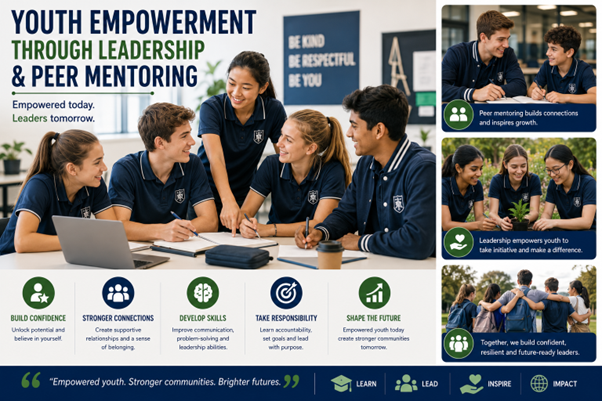
Empowering young individuals is essential for building a progressive and resilient society. Youth today face a dynamic world filled with opportunities and challenges, making it crucial to equip them with the skills, confidence, and mindset needed to succeed. Leadership development and peer mentoring have emerged as powerful tools in fostering personal growth, resilience, and a sense of responsibility among young people.
A well-structured youth empowerment program provides the foundation for nurturing leadership qualities while encouraging self-awareness and independence. These programs are designed to help young individuals discover their strengths, set meaningful goals, and develop the confidence to pursue them.
When integrated with initiatives like school wellbeing programs, leadership and mentoring efforts become even more impactful. This combination ensures that students not only grow academically but also develop emotionally and socially, creating a balanced approach to personal development.
Understanding Youth Empowerment
Youth empowerment is the process of enabling young individuals to take control of their lives, make informed decisions, and actively contribute to their communities. It involves building confidence, fostering independence, and encouraging participation in meaningful activities.
Empowerment is achieved through:
- Skill development and education
- Opportunities for leadership and decision-making
- Supportive environments that encourage growth
When young people feel empowered, they are more likely to take initiative, embrace challenges, and strive for excellence.
The Role of Leadership in Youth Development
Leadership is a critical component of empowerment. It teaches young individuals how to guide others, make decisions, and take responsibility for their actions.
Developing leadership skills helps youth:
- Build confidence and self-esteem
- Improve communication and teamwork
- Learn problem-solving and critical thinking
- Take initiative in various situations
Leadership opportunities, whether in schools or community programs, provide practical experiences that shape character and prepare individuals for future roles.
Peer Mentoring as a Catalyst for Growth
Peer mentoring involves young individuals supporting and guiding one another. This approach creates a sense of connection and relatability, making it easier for participants to share experiences and learn together.
Peer mentoring benefits include:
- Enhanced emotional support
- Improved communication skills
- Stronger sense of belonging
- Increased motivation and engagement
Because mentors and mentees are often close in age, the relationship feels more approachable and less intimidating, encouraging open communication.
Building Confidence Through Shared Experiences
Confidence is a key outcome of both leadership and peer mentoring. When young individuals are given opportunities to lead and support others, they begin to recognise their abilities and potential.
Shared experiences in mentoring programs help participants:
- Overcome self-doubt
- Develop a positive self-image
- Gain recognition for their efforts
This confidence extends beyond the program, influencing academic performance, social interactions, and future aspirations.
Enhancing Social and Emotional Skills
Leadership and peer mentoring play a significant role in developing social and emotional intelligence. These skills are essential for building healthy relationships and navigating complex situations.
Key areas of development include:
- Empathy and understanding
- Conflict resolution
- Emotional regulation
- Effective communication
By fostering these skills, programs help young individuals become more compassionate and socially aware.
Creating a Supportive Community Environment
A strong sense of community is vital for youth empowerment. Leadership and mentoring initiatives create environments where individuals feel supported, valued, and connected.
Such environments promote:
- Collaboration and teamwork
- Mutual respect and inclusivity
- Open communication and trust
When young people feel part of a supportive community, they are more likely to engage actively and contribute positively.
Encouraging Responsibility and Accountability
Empowerment also involves teaching responsibility and accountability. Leadership roles and mentoring responsibilities encourage young individuals to take ownership of their actions and decisions.
This includes:
- Setting and achieving personal goals
- Being accountable for outcomes
- Demonstrating commitment and discipline
These qualities are essential for success in both personal and professional life.
Overcoming Challenges in Youth Programs
While leadership and peer mentoring programs offer numerous benefits, they also come with challenges that need to be addressed.
Common challenges include:
- Lack of participation or engagement
- Limited resources or support
- Difficulty in maintaining consistency
Addressing these challenges requires careful planning, ongoing evaluation, and a commitment to continuous improvement.
Long-Term Impact of Leadership and Mentoring
The impact of leadership and peer mentoring extends far beyond the duration of the program. Participants carry the skills and experiences gained into their future endeavours.
Long-term benefits include:
- Greater confidence and independence
- Improved career prospects
- Stronger interpersonal skills
- Increased community involvement
These outcomes contribute to the development of well-rounded individuals who are prepared to face future challenges.
The Role of Educators and Mentors
Educators and mentors play a crucial role in the success of empowerment initiatives. Their guidance and support help create meaningful and impactful experiences for participants.
Their responsibilities include:
- Providing training and resources
- Offering guidance and feedback
- Encouraging participation and engagement
A strong support system ensures that programs achieve their intended goals.
Empowering the Next Generation of Leaders
Youth empowerment through leadership and peer mentoring is a transformative approach that shapes confident, capable, and compassionate individuals. By providing opportunities for growth, support, and collaboration, these initiatives help young people unlock their potential and prepare for the future.
Investing in youth development is an investment in society’s future. Through structured programs, supportive environments, and meaningful experiences, we can empower the next generation to lead with confidence and make a positive impact on the world.